
Popular Products
-
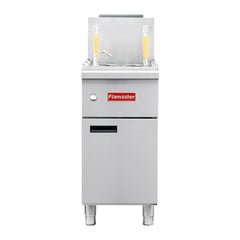 Flamaster FLM-PC11-NG 15 1/2" 11 Gallon Gas Pasta Cooker, Natural Gas, 122,000 BTU
$1,689.00
-
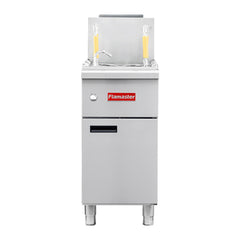 Flamaster FLM-PC10-NG 15 1/2" 10 Gallon Gas Pasta Cooker, Natural Gas, 100,000 BTU
$1,619.00
-
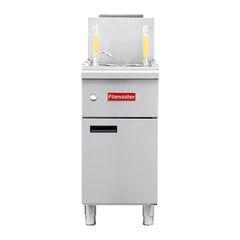 Flamaster FLM-PC11-LP 15 1/2" 11 Gallon Gas Pasta Cooker, Liquid Propane, 122,000 BTU
$1,689.00
-
Flamaster FLM-PC10-LP 15 1/2" 10 Gallon Gas Pasta Cooker, Liquid Propane, 100,000 BTU
$1,619.00


Flamaster
Flamaster FLM-PC10-LP 15 1/2" 10 Gallon Gas Pasta Cooker, Liquid Propane, 100,000 BTU
Sale price $1,619.00 Regular price $2,250.00Unit priceFree Shipping-
Sold out
Flamaster
Flamaster FLM-PC10-NG 15 1/2" 10 Gallon Gas Pasta Cooker, Natural Gas, 100,000 BTU
Sale price $1,619.00 Regular price $2,250.00Unit priceFree Shipping 


 Sold out
Flamaster
Flamaster FLM-PC11-LP 15 1/2" 11 Gallon Gas Pasta Cooker, Liquid Propane, 122,000 BTU
Sale price $1,689.00 Regular price $2,300.00Unit priceFree Shipping


 Best Seller
Flamaster
Flamaster FLM-PC11-NG 15 1/2" 11 Gallon Gas Pasta Cooker, Natural Gas, 122,000 BTU
Sale price $1,689.00 Regular price $2,300.00Unit priceFree Shipping


Commercial Pasta Cooker Buying Guide
A commercial pasta cooker — a pasta boiler, in the other half of the trade — is bought like a fryer: by how much it holds and how fast it returns to a boil after a drop. Water takes far more energy to reheat than oil does, which makes BTU per gallon the figure that decides whether the pasta station keeps up at 7pm.
BTU per gallon, not headline BTU
Divide the gas input by the pot capacity and you get what actually predicts recovery. Dropping cold pasta costs you temperature, and every second below a boil is a second the pasta soaks instead of cooking. On this line the 11-gallon model carries 22% more burner than the 10-gallon — it is not simply a bigger pot.
| Model | Capacity | BTU/hr | BTU per gallon | Size (W × D × H) | Weight | Fuel |
|---|---|---|---|---|---|---|
| FLM-PC11-NG | 11 gal | 122,000 | 11,091 | 15 1/2" × 30 1/5" × 45 3/10" | 167 lb | Natural gas |
| FLM-PC11-LP | 11 gal | 122,000 | 11,091 | 15 1/2" × 30 1/5" × 45 3/10" | 167 lb | Liquid propane |
| FLM-PC10-NG | 10 gal | 100,000 | 10,000 | 15 1/2" × 30 1/5" × 45 3/10" | 158 lb | Natural gas |
| FLM-PC10-LP | 10 gal | 100,000 | 10,000 | 15 1/2" × 30 1/5" × 45 3/10" | 158 lb | Liquid propane |
All models: stainless steel, open pot, 86°F–257°F thermostat with over-temp protection, snap-action millivolt control (no electrical connection), 6" adjustable legs, 3/4" gas inlet, free shipping in the continental US. Read the full pasta cooker buying guide →
It drops into a fryer battery
The 15 1/2" width is the same frontage as most 35–60 lb floor fryers, so a pasta cooker lines up flush in an existing fry line with no gap and no filler. But never put oil in a pasta cooker or water in a fryer — if they sit side by side, label them.
No electricity required
The millivolt control runs off the gas supply and the heat of its own pilot: no cord, no outlet, nothing to trip, and it keeps working in a power cut. Unusual on a modern cookline, where nearly everything wants power for its controls.
Before you order
- Fuel — order the NG or LP version that matches the building; conversion is a technician with the manufacturer's kit. NG vs LP →
- Gas capacity — 122,000 BTU/hr alongside the fryers and range on the same run; have your gas fitter confirm the line and regulator.
- Hood type — a pasta cooker makes steam rather than grease-laden vapor, which in many jurisdictions means a Type II condensate hood rather than a fryer's Type I. Your local authority decides; ask before you buy.
- Drain clearance — the drain valve is only useful if a bucket or floor drain fits under it.
Commercial pasta cooker FAQ
What is a commercial pasta cooker?
A floor-standing gas unit with a fixed water pot and lift-out baskets, built to hold a rolling boil and recover quickly after cold pasta is dropped in. It is also sold as a pasta boiler, and it frees up the range burner a stock pot would otherwise occupy all service.
How many gallons do I need?
Both sizes here take the same 15 1/2 inch footprint, so the question is throughput rather than floor space. Take the 11-gallon model if pasta carries the menu — it has 22 percent more burner as well as the extra gallon — and the 10-gallon if pasta is a supporting item.
Why does BTU per gallon matter?
It predicts recovery: how fast the pot returns to a boil after a basket goes in. Headline BTU on its own tells you nothing unless you divide it by the water it has to heat.
Can I use a pasta cooker as a fryer?
No. Never put oil in a pasta cooker or water in a fryer. The two are built around liquids with completely different boiling behaviour, and water hitting hot oil flashes instantly to steam.
Does a pasta cooker need electricity?
No. These run on a snap-action millivolt control powered by the gas supply and the heat of the pilot, so there is no cord and no circuit to find, and the unit keeps working in a power cut.
Does a pasta cooker need a hood?
It needs ventilation, but often a Type II condensate hood rather than the Type I grease hood a fryer requires, because it produces steam rather than grease-laden vapor. Confirm with your local inspector, especially if it is going into an existing fry line.
How often should I change the water?
Pasta sheds starch into the water all service, and cloudy water cooks unevenly. Drain and refill on a schedule rather than when it looks bad — fresh pasta sheds far more starch than dry, so high-volume fresh-pasta kitchens change it more often.